
"grow in Ethiopia"
7000 article(s) found

Yega Xuefei Coffee growing area, Ethiopia
Yirgacheffe is one of the most unique coffee beans in the world: it has a warm aroma of flowers, lemon, thick acidity but soft and smooth taste. The name Ethiopia Yirgacheffe comes from a variety of coffee. This coffee has a slightly bitter taste in the mouth, but the throat rhyme is sweet.

A brief introduction to the History and Culture of the Origin and Development of Fine Coffee beans in Ethiopia (Ethiopia) Coffee Manor
The world-famous Ethiopian coffee is mainly: 1. Limu coffee grows between 1400 meters and 2000 meters above sea level. Wash the coffee. Excellent quality, with strong nut aromas, suitable acidity, with the intensity of wine. The annual output is 29000 tons. 2. Jima Coffee grows between 1400 and 1800 meters above sea level. Sun-baked coffee. Slightly sour, with nutty aromas and a long finish.

A brief introduction to the History and Culture of the Origin and Development of Coffee beans in Harald Moka Manor in Ethiopia
Ethiopia has unique natural conditions suitable for growing all imaginable varieties of coffee. As a highland crop, Ethiopian coffee beans are mainly grown in areas between 1, 100 and 2300 meters above sea level, roughly distributed in southern Ethiopia. Deep soil, well drained soil, weakly acidic soil, laterite and soil are soft and contain

Geographical planting area of Coffee in Ethiopia: an introduction to the Flavor characteristics of boutique Coffee in Dama, Ethiopia
Follower Cafe (official Wechat account vdailycom) found that the Beautiful Caf é opened a small shop of its own Ethiopia, located at 15-9 north latitudes, is a landlocked country in northeast Africa. It is bordered by Djibouti and Somalia in the east, Yemen across the Red Sea, Sudan in the west and Kenny in the south.
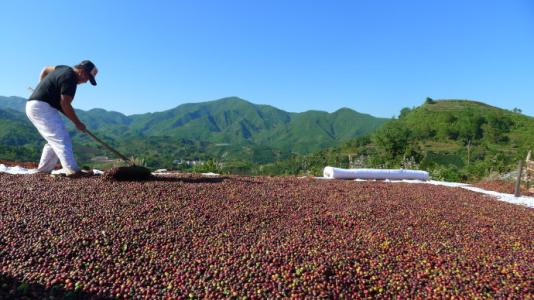
Flavor characteristics of Coffee growing area in Ethiopia
Flavor characteristics of coffee growing areas in Ethiopia Panama (Bourbon): floral (floral), cherry fruits (cherry-fruited), vanilla (vanilla), malt (malty), caramel (caramelly), chocolate (chocolate) Tanzania (Bourbon): caramel (caramelly), sweet fruit (very sweet fruit), yellow sugar (brown sugar), vanilla (

High quality Coffee production and sales of Coffee from Ethiopia Coffee
Ethiopian coffee beans grow in close to the natural environment, after years of planting under the same growth conditions, Ethiopian coffee beans have gradually adapted to the environment here. More than 60% of coffee beans are grown in forests or semi-forests. Large-scale coffee-growing villages account for about 35% of the country's total coffee production. Many of these are used.

World famous Coffee Tour: Harald Moka, Ethiopia (part I)
[product name]: Ethiopia Harald Mocha (Ethiopia Harar Mokha) [quality rating]: DP Grade 4 [baking]: recommended moderate baking (Medium Roast or City Roast) [grade]: excellent [granule]: ★ full [acidity]: ★★★★ slightly sour, dark chocolate aftertaste [balance]: ★★★★ is very stable

World boutique coffee farm beans; Harald mocha (part 1) in Ethiopia has a delicate and rich taste
[product name]: Ethiopia Harald Mocha (Ethiopia Harar Mokha) [quality rating]: DP Grade 4 [baking]: recommended moderate baking (Medium Roast or City Roast) [grade]: excellent [granule]: ★ full [acidity]: ★★★★ slightly sour, dark chocolate aftertaste [balance]: ★★★★ is very stable

Is Harald mocha coffee good in Ethiopia? information on Harald coffee producing area
Professional coffee knowledge exchange more coffee bean information please follow the coffee workshop (Wechat official account cafe_style) Ethiopia is the origin of coffee. Once upon a time, there was a town in southern Ethiopia called Kafa, where there were some red fruits. The shepherd found that the sheep was so excited after eating the fruit that they picked it and tasted it, so the fruit was pawned.

Description of Coffee Flavor and aroma in Humbela Town, G1 Valley, Sidamo, Ethiopia
For the exchange of professional baristas, please follow the coffee workshop (official Wechat account cafe_style) product name: Ethiopia washed Humbela town (Ethiopia Sidamo Guji Hambella washed G1), Sidamo G1 valley district, Ethiopia (Ethiopia) producing area, Oromia Region (Oromia Region), Guji Zone (Humbera town) (Hamb)
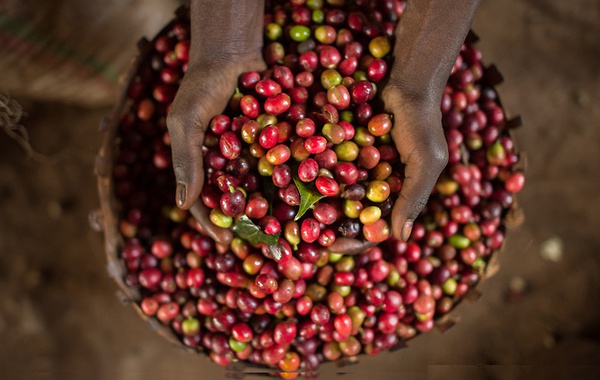
Coffee from Ethiopia, the birthplace of coffee, introduces how Ethiopian coffee powder
Ethiopia is one of the major producers of Arabica coffee in Africa, producing the best Arabian coffee in the world. It is said that coffee was first discovered by shepherds in Essekafa, and the name of coffee evolved from Kafa, so Essex is still the hometown of coffee. The geographical environment of coffee production and processing is very suitable for coffee growth. Coffee is mainly cultivated.

Production and processing of coffee beans in Ethiopia
Ethiopia (Ethiopia) is one of the major producers of Arab coffee beans in Africa, producing the best Arab mocha beans in the world. It is said that coffee beans were first discovered by shepherds in the Kafa region of Ethiopia, and the name of coffee evolved from Kafa, so Ethiopia is still the hometown of coffee. Production and processing of coffee beans in Ethiopia

Introduction to the Fine Coffee Flavor Manor of Ethiopia
Ethiopian coffee beans grow in close to the natural environment, after years of planting under the same growth conditions, Ethiopian coffee beans have gradually adapted to the environment here. More than 60% of coffee beans are grown in forests or semi-forests. Large-scale coffee-growing villages account for about 35% of the country's total coffee production. Many of these are used.

Introduction to the Fine Coffee Bean Flavor and Taste Manor in Ethiopia
Ethiopian coffee beans grow in close to the natural environment, after years of planting under the same growth conditions, Ethiopian coffee beans have gradually adapted to the environment here. More than 60% of coffee beans are grown in forests or semi-forests. Large-scale coffee-growing villages account for about 35% of the country's total coffee production. Many of these are used.
Coffee beans from Ethiopia
Ethiopia (Ethiopia) is one of the major producers of Arabica coffee beans in Africa and produces the best Arabica mocha beans in the world. It is said that coffee beans were first discovered by shepherds in the Kafa region of Ethiopia, and the name of coffee evolved from Kafa, so Ethiopia is still the hometown of coffee. Production and processing of coffee beans Ethiopia
Ethiopia Yega Sheffield Coffee Bean grows Raw Bean G2 Yega Chefe
Ethiopia has the longest history in the world, not only in coffee production and drinking, but also in the world. Most of the production is exported to advanced countries, and unlike other coffee-producing countries, 50% of the coffee produced in Ethiopia is consumed domestically. Nevertheless, more than 60% of Ethiopia's total foreign currency exports still come from the coffee trade, which is enough to replace

Introduction to the characteristics of coffee flavor description and grinding degree in Shaqiso producing area of Ethiopia
Ethiopia has unique natural conditions suitable for growing all imaginable varieties of coffee. As a highland crop, Ethiopian coffee beans are mainly grown in areas between 1, 100 and 2300 meters above sea level, roughly distributed in southern Ethiopia. Deep soil, well drained soil, weakly acidic soil, laterite and soil are soft and contain

Ethiopia is the country where coffee originated, so how do they grow coffee?
Professional coffee knowledge exchange More coffee bean information Please pay attention to coffee workshop (Weixin Official Accounts cafe_style) Ethiopia is known as the birthplace of coffee, Ethiopia found goats eating a plant, after eating will become energetic, so people discovered coffee this plant. Ethiopia is the home of coffee for millions of people, and today it is perhaps the world's most

Ethiopia Coffee Estate Summer Village Garden Story-Go back to Ethiopia to find the source of summer
Before meeting Willem Boot, owner of La Mula in Panama, Adam Overton had only a vague dream of buying a farm in Ethiopia to grow the world's most delicious coffee, Geisha. Why Ethiopia? Because it's said that Ethiopia

Introduction to Coffee Culture and Flavor in Ethiopia
Sustainable coffee culture Ethiopian coffee beans grow in close to the natural environment, after years of planting under the same growth conditions, Ethiopian coffee beans have gradually adapted to the environment here. More than 60% of coffee beans are grown in forests or semi-forests. The villages that grow coffee in large areas account for about the total amount of coffee produced in the country.